 Image 1 of 1
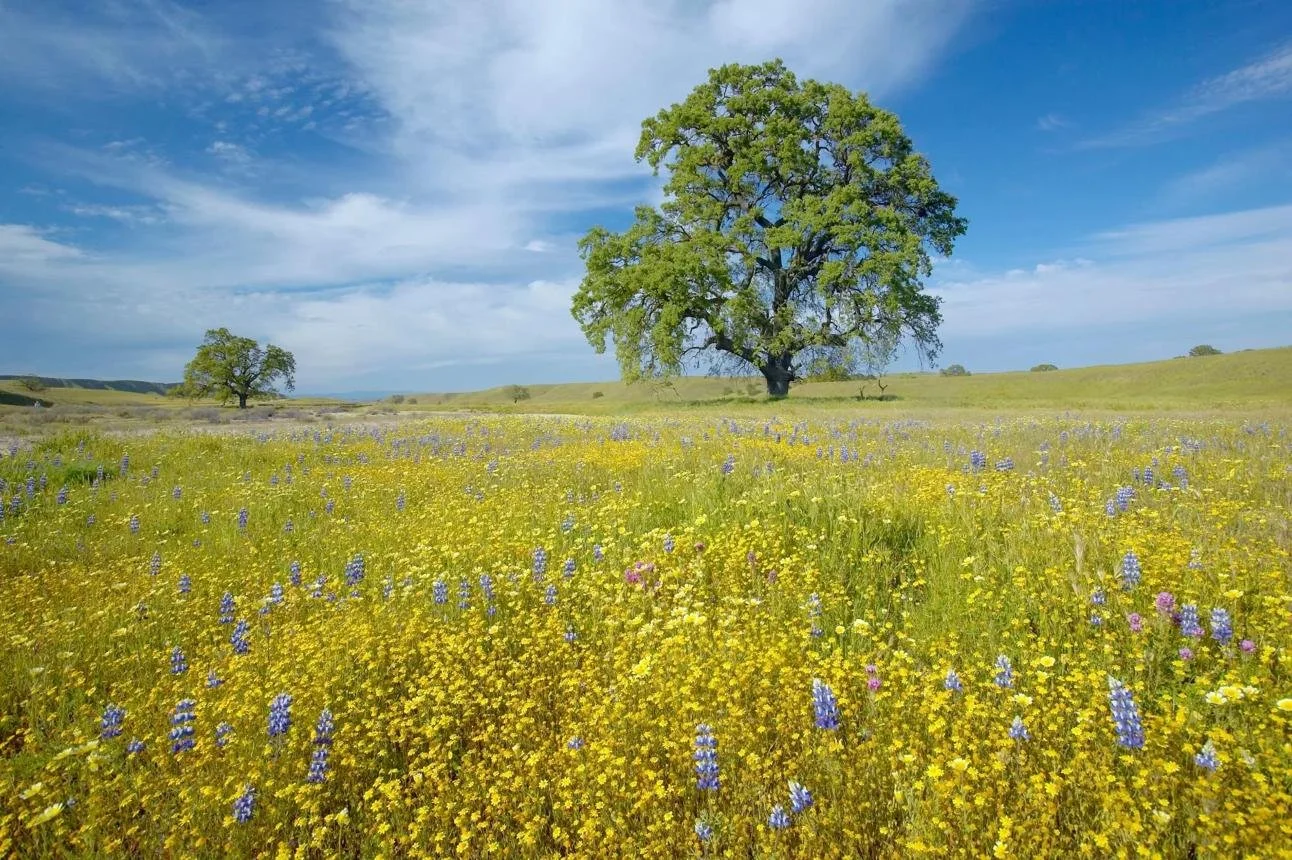
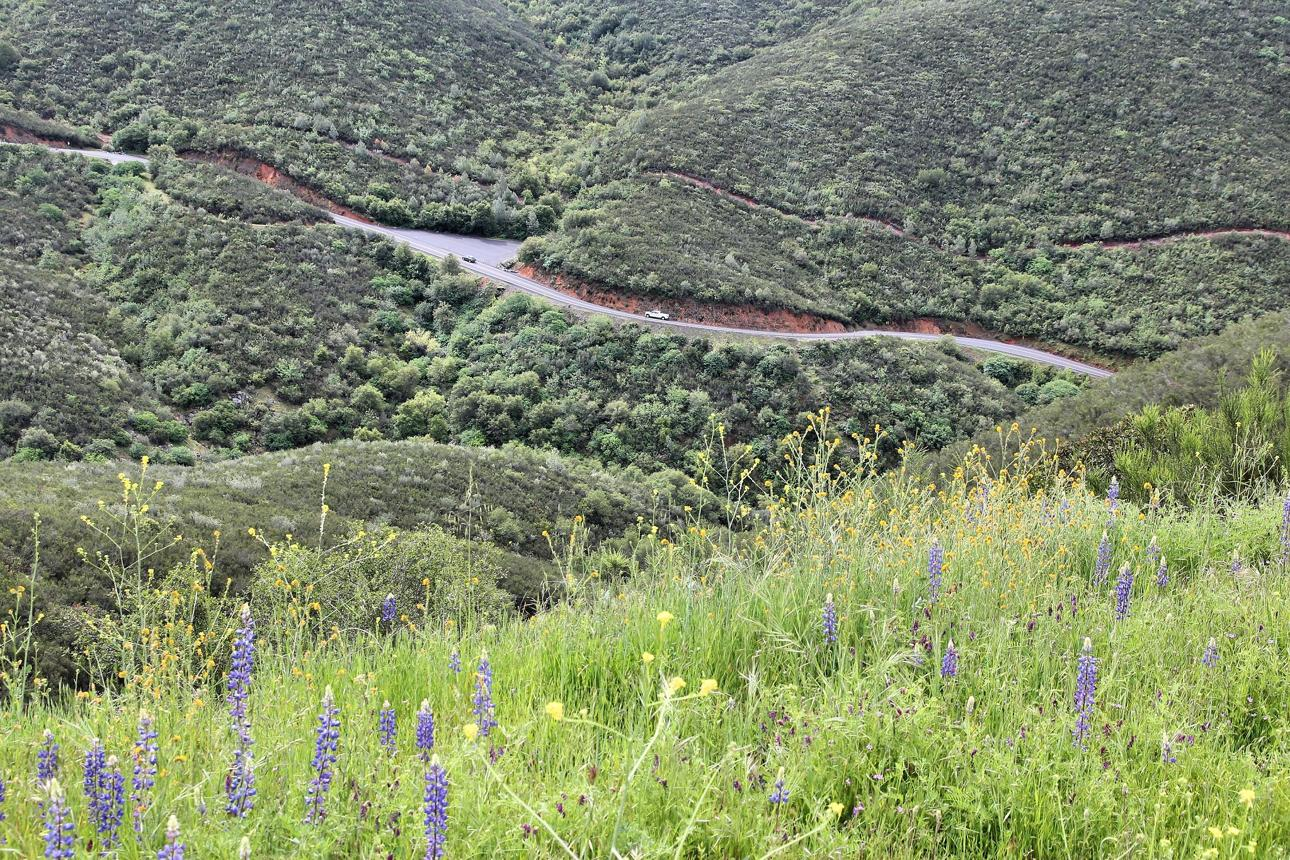
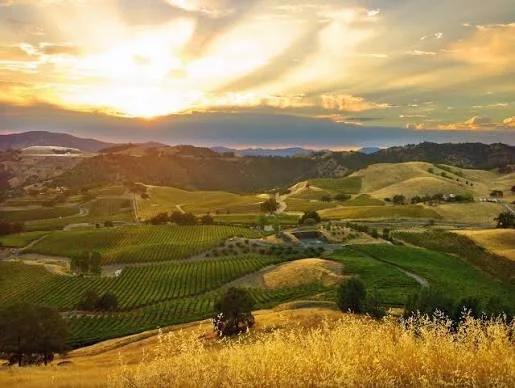
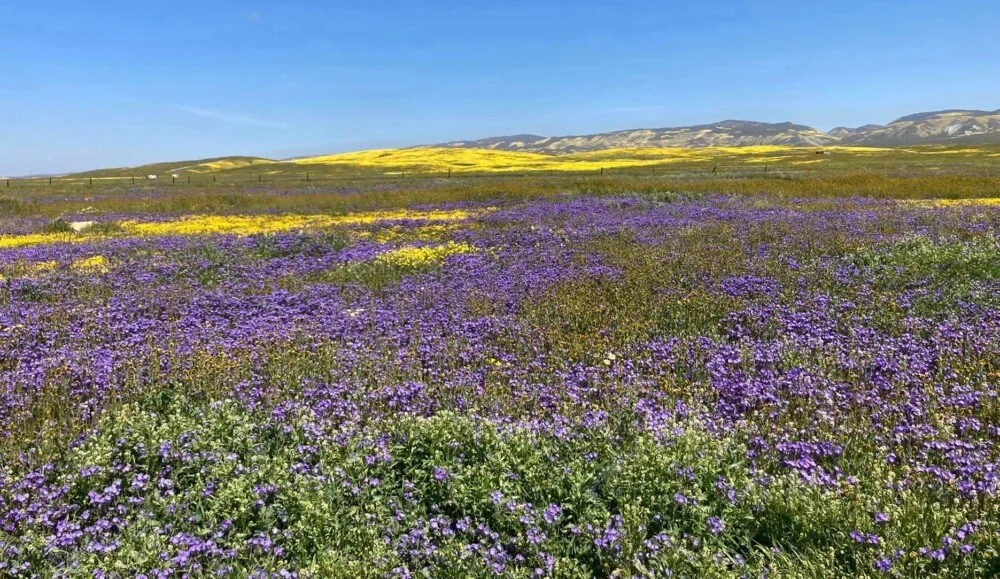
From May through September, honey bees move among the oak woodlands, chaparral-covered hillsides, open grasslands, seasonal wildflower areas, and creek corridors surrounding this Northern Mariposa County location. As one bloom fades, another begins, creating a changing succession of nectar and pollen throughout the warmer months.
The character of honey from this area is influenced by the unique combination of flowers blooming around the hives, along with seasonal weather, rainfall, temperature, elevation, and the surrounding foothill landscape.
Honey produced in this Northern Mariposa County foothill environment can carry the character of a landscape where oak woodland meets chaparral, grassland, and seasonal wildflowers. The precise flavor, aroma, color, and texture can vary from harvest to harvest depending upon which plants are flowering most abundantly, the weather, rainfall, temperature, and the bees' foraging patterns.
From the first late-spring blooms through the dry landscapes of late summer, each harvest represents a changing season in the Sierra Nevada foothills.
Located in the Sierra Nevada foothills of Mariposa County, the area surrounding our apiary lies within a landscape characterized by rolling foothill terrain, oak woodland, chaparral, open grassland, and pockets of riparian vegetation.
Local biological surveys in the Coulterville-area foothills document blue oak, interior live oak, foothill pine, toyon, buckbrush, poison oak, and other native vegetation, with oak woodland and chaparral forming important components of the surrounding landscape.
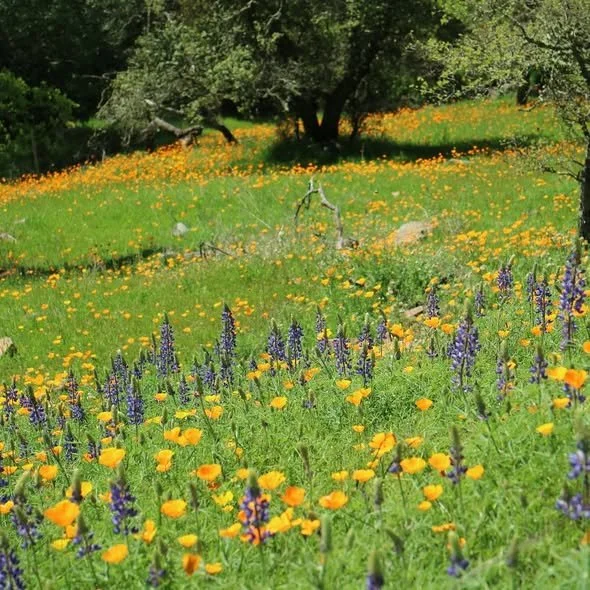
The region also supports a diverse seasonal wildflower community. Nearby botanical observations and field reports document plants such as Clarkia, madia, bird's-foot trefoil, vinegarweed, sages, and other native flowering plants during the spring and summer months.
As the season progresses from late spring into the heat of summer, the landscape changes from spring wildflowers to longer-lasting shrubs, buckwheats, sages, tarweeds, and late-season composites. The resulting honey reflects the character of the foothills—an ever-changing blend shaped by season, weather, elevation, and the plants flowering around the hive.
1. California Buckwheat — A major summer-blooming foothill plant, California buckwheat produces abundant clusters of small flowers and can provide nectar through the hot, dry portion of the season. Its extended summer bloom makes it particularly important as spring flowers decline.
2. Chamise — One of the characteristic shrubs of the local chaparral, chamise produces numerous small white flowers during the warmer months. The species is abundant in foothill chaparral and can provide bees with an important seasonal nectar source. Local descriptions of the Coulterville foothills identify chamise as a dominant chaparral plant.
3. Toyon — This native evergreen shrub produces clusters of small white flowers in summer. Toyon is documented in the local oak woodland and foothill landscape and can provide nectar when many early-season wildflowers have finished.
4. Heermann's Tarweed — A native foothill annual documented in the local landscape, Heermann's tarweed is particularly important later in the summer as its yellow flowers develop among the dry grasslands and open areas.
5. Vinegarweed — This aromatic native plant is documented in the local foothill vegetation. Its summer-to-fall flowering period makes it a useful late-season forage plant as the landscape becomes increasingly dry.
6. American Bird's-foot Trefoil — Also called deerweed in some California contexts, this native legume is documented in the local foothill vegetation. Its yellow flowers contribute to the seasonal diversity of forage available to bees in open and disturbed areas.
7. Clover — Clover growing in grasslands, meadows, roadsides, and open areas can provide substantial nectar and pollen during late spring and summer. In a foothill landscape containing open grassland and rural areas, clover can become an important component of the bees' seasonal forage.
8. Yarrow — Yarrow commonly occurs in meadows, grasslands, roadsides, and open woodland. Its clusters of small flowers provide nectar and pollen during the warmer months and help extend the variety of forage available to honey bees.
9. Sage and Other Native Lamiaceae — Native sages and related mint-family plants occur throughout Mariposa County and surrounding foothill environments. Regional records document several native sage and mint-family species, including Sonoma sage, Sierra mint, and other flowering Lamiaceae.
10. Late-Summer Asters and Other Composite Wildflowers — Asters and other members of the sunflower family become increasingly valuable as summer progresses. These late-season flowers can help maintain nectar and pollen availability into late summer and early fall, when many spring-blooming plants have already finished.
From May through September, honey bees move among the oak woodlands, chaparral-covered hillsides, open grasslands, seasonal wildflower areas, and creek corridors surrounding this Northern Mariposa County location. As one bloom fades, another begins, creating a changing succession of nectar and pollen throughout the warmer months.
The character of honey from this area is influenced by the unique combination of flowers blooming around the hives, along with seasonal weather, rainfall, temperature, elevation, and the surrounding foothill landscape.
Honey produced in this Northern Mariposa County foothill environment can carry the character of a landscape where oak woodland meets chaparral, grassland, and seasonal wildflowers. The precise flavor, aroma, color, and texture can vary from harvest to harvest depending upon which plants are flowering most abundantly, the weather, rainfall, temperature, and the bees' foraging patterns.
From the first late-spring blooms through the dry landscapes of late summer, each harvest represents a changing season in the Sierra Nevada foothills.
Located in the Sierra Nevada foothills of Mariposa County, the area surrounding our apiary lies within a landscape characterized by rolling foothill terrain, oak woodland, chaparral, open grassland, and pockets of riparian vegetation.
Local biological surveys in the Coulterville-area foothills document blue oak, interior live oak, foothill pine, toyon, buckbrush, poison oak, and other native vegetation, with oak woodland and chaparral forming important components of the surrounding landscape.
The region also supports a diverse seasonal wildflower community. Nearby botanical observations and field reports document plants such as Clarkia, madia, bird's-foot trefoil, vinegarweed, sages, and other native flowering plants during the spring and summer months.
As the season progresses from late spring into the heat of summer, the landscape changes from spring wildflowers to longer-lasting shrubs, buckwheats, sages, tarweeds, and late-season composites. The resulting honey reflects the character of the foothills—an ever-changing blend shaped by season, weather, elevation, and the plants flowering around the hive.
1. California Buckwheat — A major summer-blooming foothill plant, California buckwheat produces abundant clusters of small flowers and can provide nectar through the hot, dry portion of the season. Its extended summer bloom makes it particularly important as spring flowers decline.
2. Chamise — One of the characteristic shrubs of the local chaparral, chamise produces numerous small white flowers during the warmer months. The species is abundant in foothill chaparral and can provide bees with an important seasonal nectar source. Local descriptions of the Coulterville foothills identify chamise as a dominant chaparral plant.
3. Toyon — This native evergreen shrub produces clusters of small white flowers in summer. Toyon is documented in the local oak woodland and foothill landscape and can provide nectar when many early-season wildflowers have finished.
4. Heermann's Tarweed — A native foothill annual documented in the local landscape, Heermann's tarweed is particularly important later in the summer as its yellow flowers develop among the dry grasslands and open areas.
5. Vinegarweed — This aromatic native plant is documented in the local foothill vegetation. Its summer-to-fall flowering period makes it a useful late-season forage plant as the landscape becomes increasingly dry.
6. American Bird's-foot Trefoil — Also called deerweed in some California contexts, this native legume is documented in the local foothill vegetation. Its yellow flowers contribute to the seasonal diversity of forage available to bees in open and disturbed areas.
7. Clover — Clover growing in grasslands, meadows, roadsides, and open areas can provide substantial nectar and pollen during late spring and summer. In a foothill landscape containing open grassland and rural areas, clover can become an important component of the bees' seasonal forage.
8. Yarrow — Yarrow commonly occurs in meadows, grasslands, roadsides, and open woodland. Its clusters of small flowers provide nectar and pollen during the warmer months and help extend the variety of forage available to honey bees.
9. Sage and Other Native Lamiaceae — Native sages and related mint-family plants occur throughout Mariposa County and surrounding foothill environments. Regional records document several native sage and mint-family species, including Sonoma sage, Sierra mint, and other flowering Lamiaceae.
10. Late-Summer Asters and Other Composite Wildflowers — Asters and other members of the sunflower family become increasingly valuable as summer progresses. These late-season flowers can help maintain nectar and pollen availability into late summer and early fall, when many spring-blooming plants have already finished.