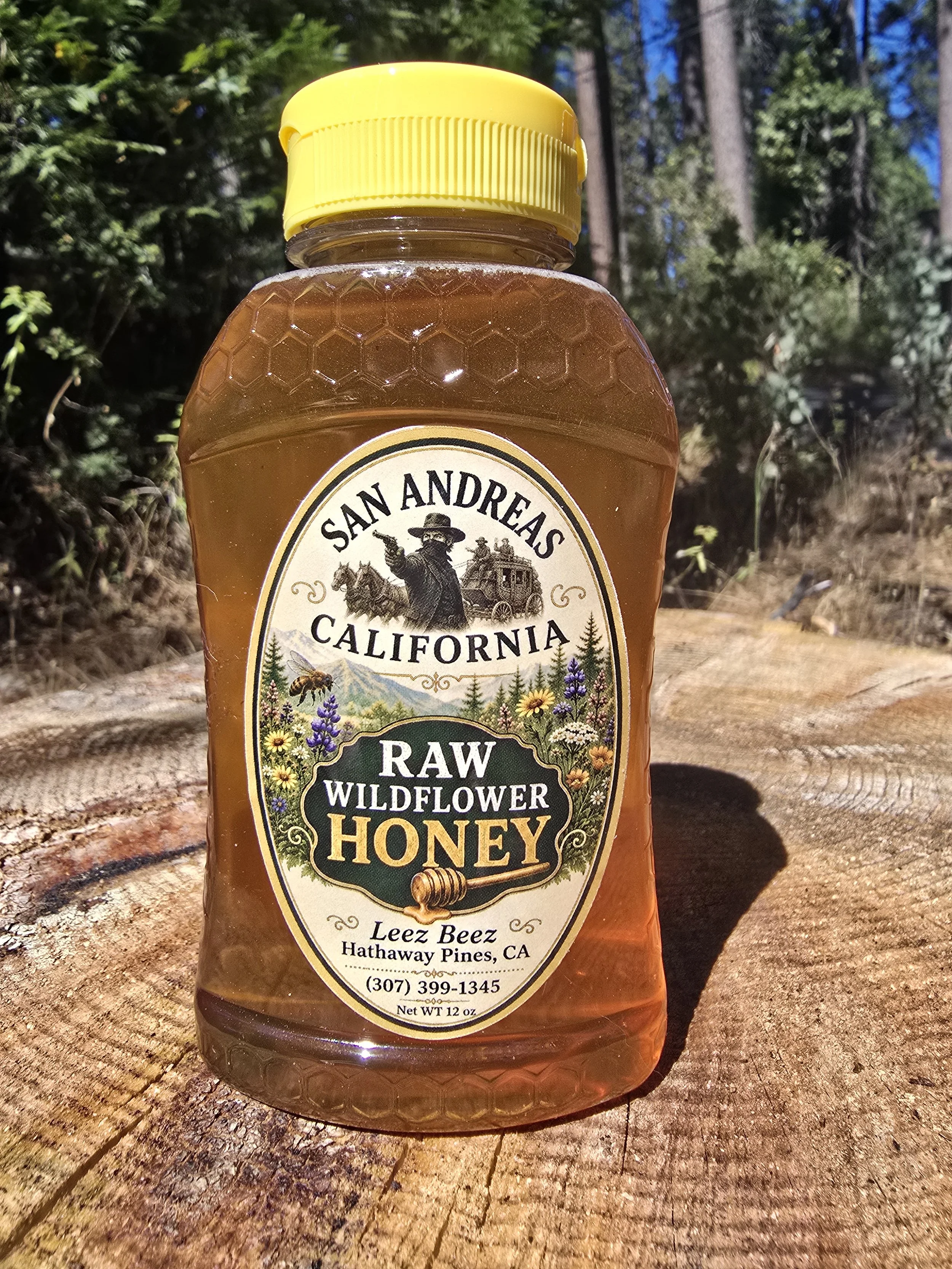
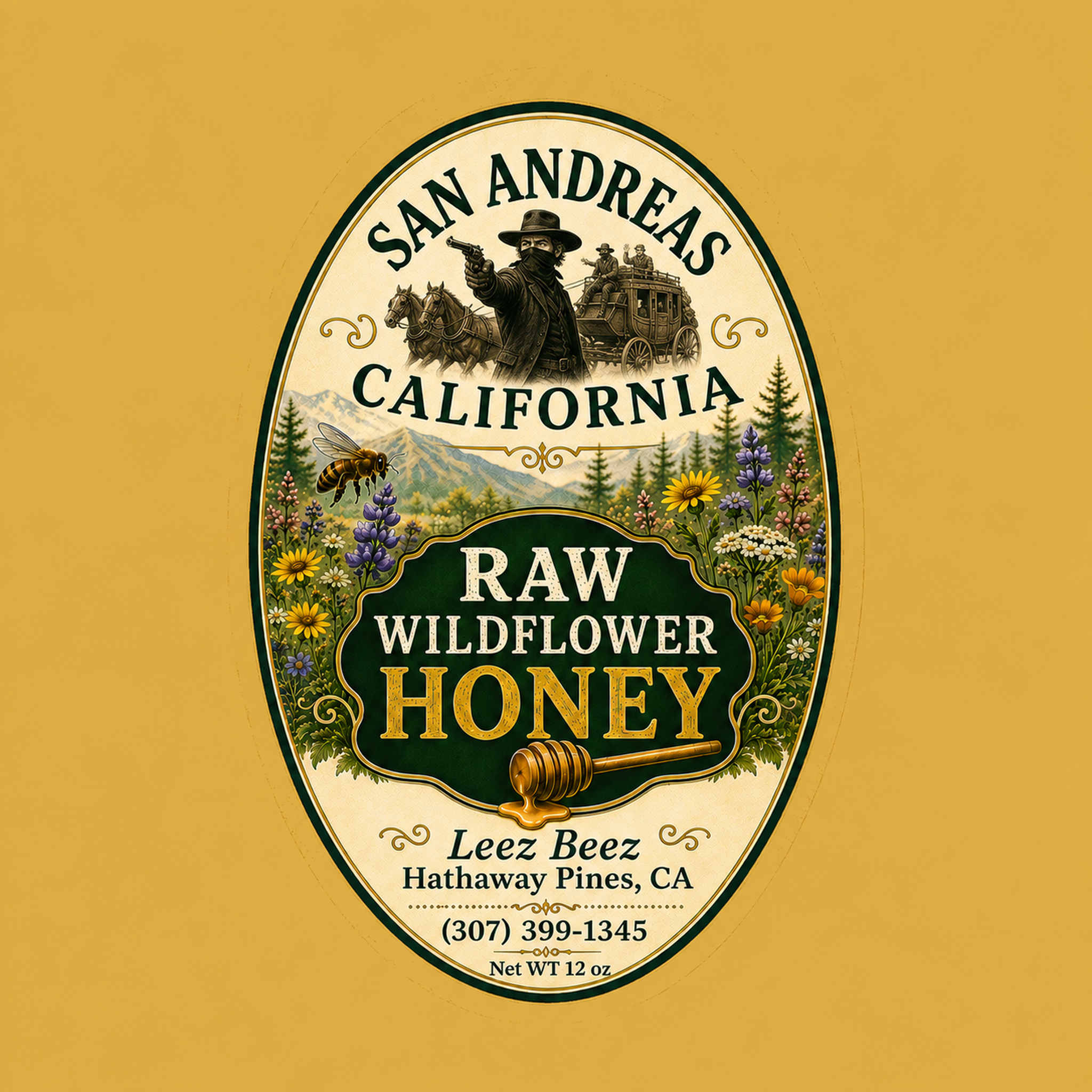
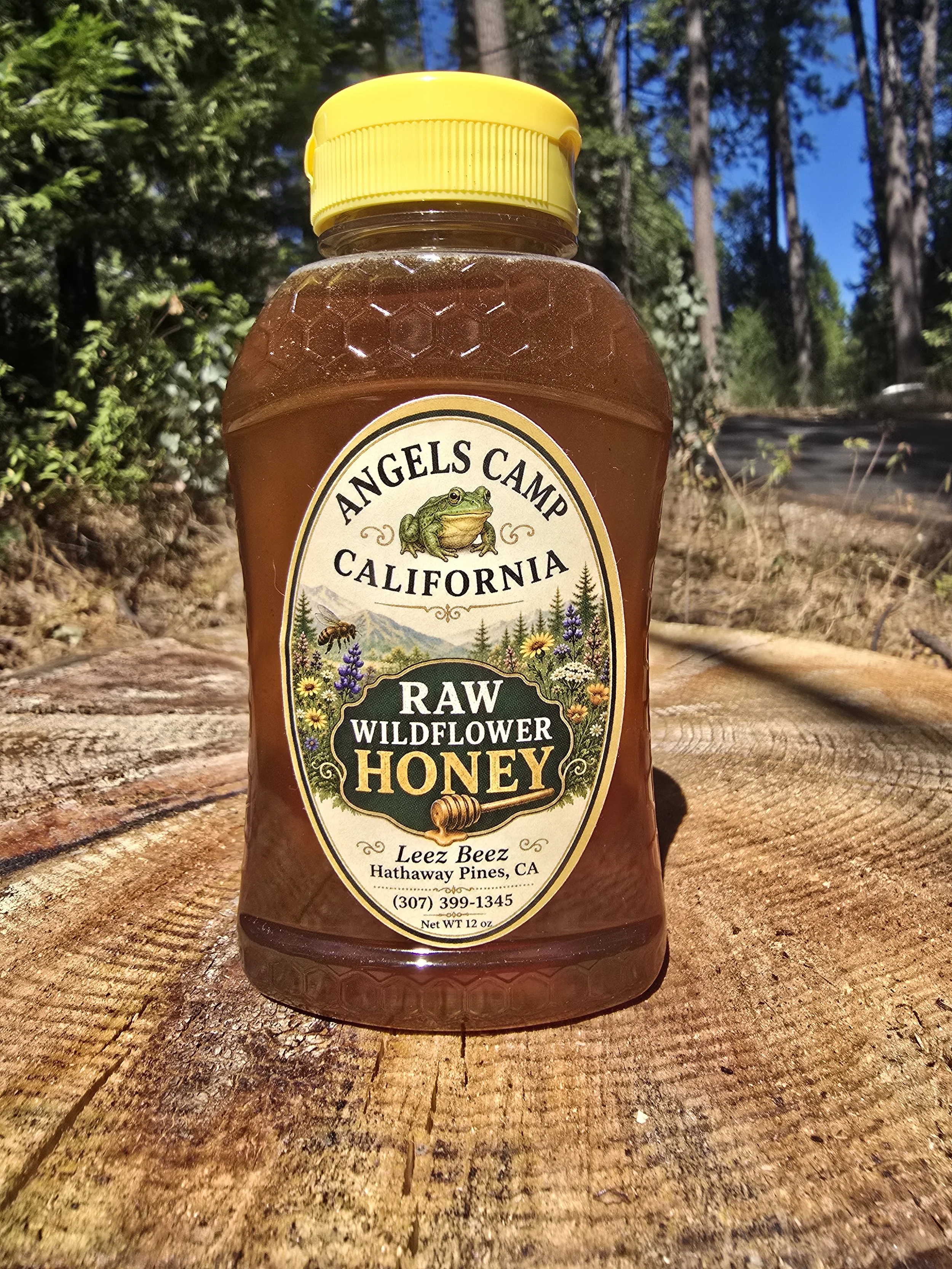
 Image 1 of 3
 Image 2 of 3
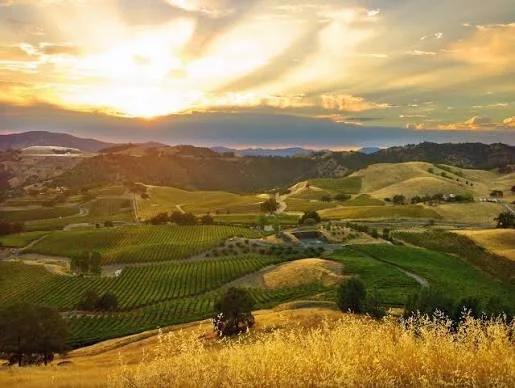 Image 3 of 3
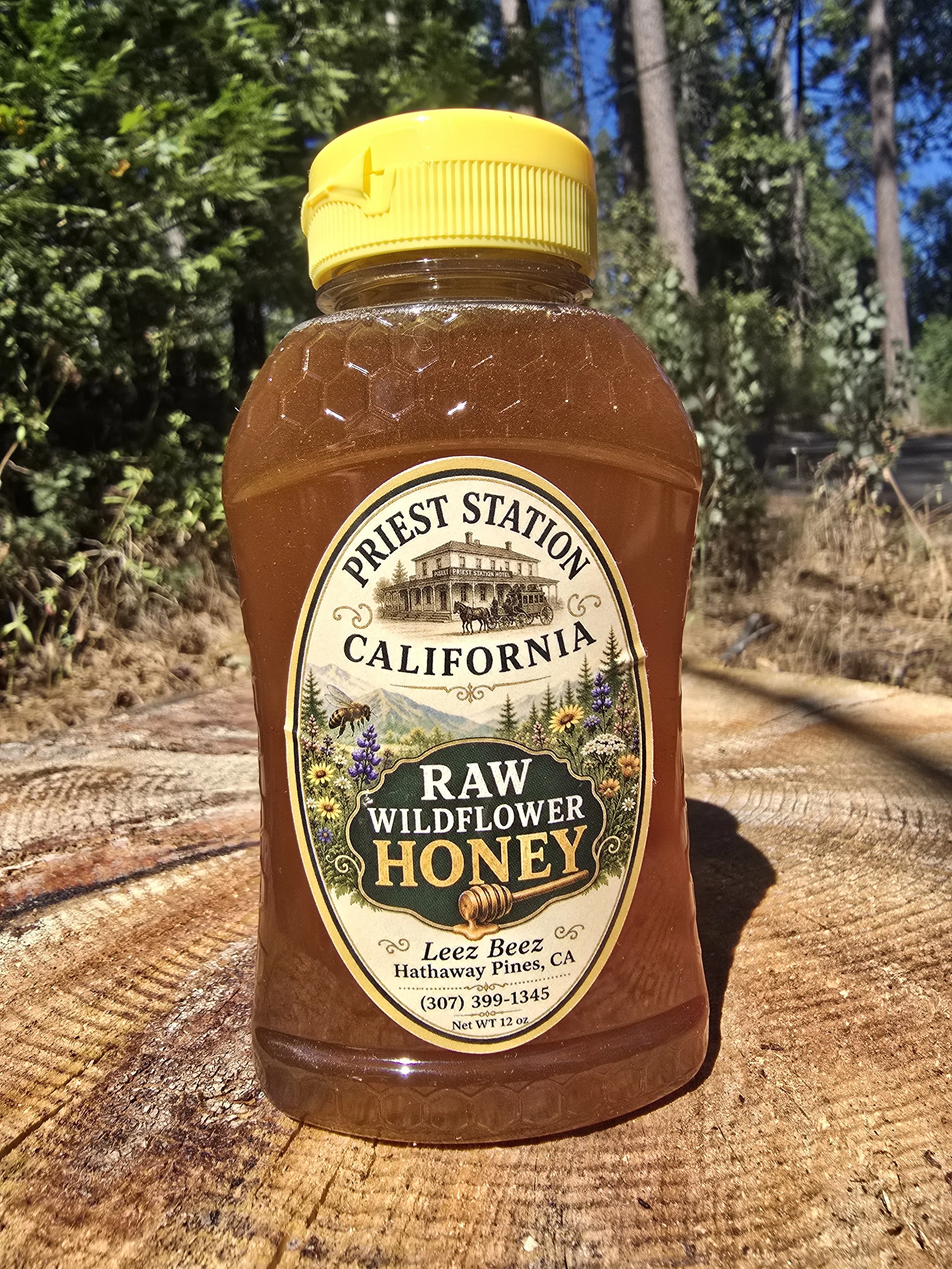
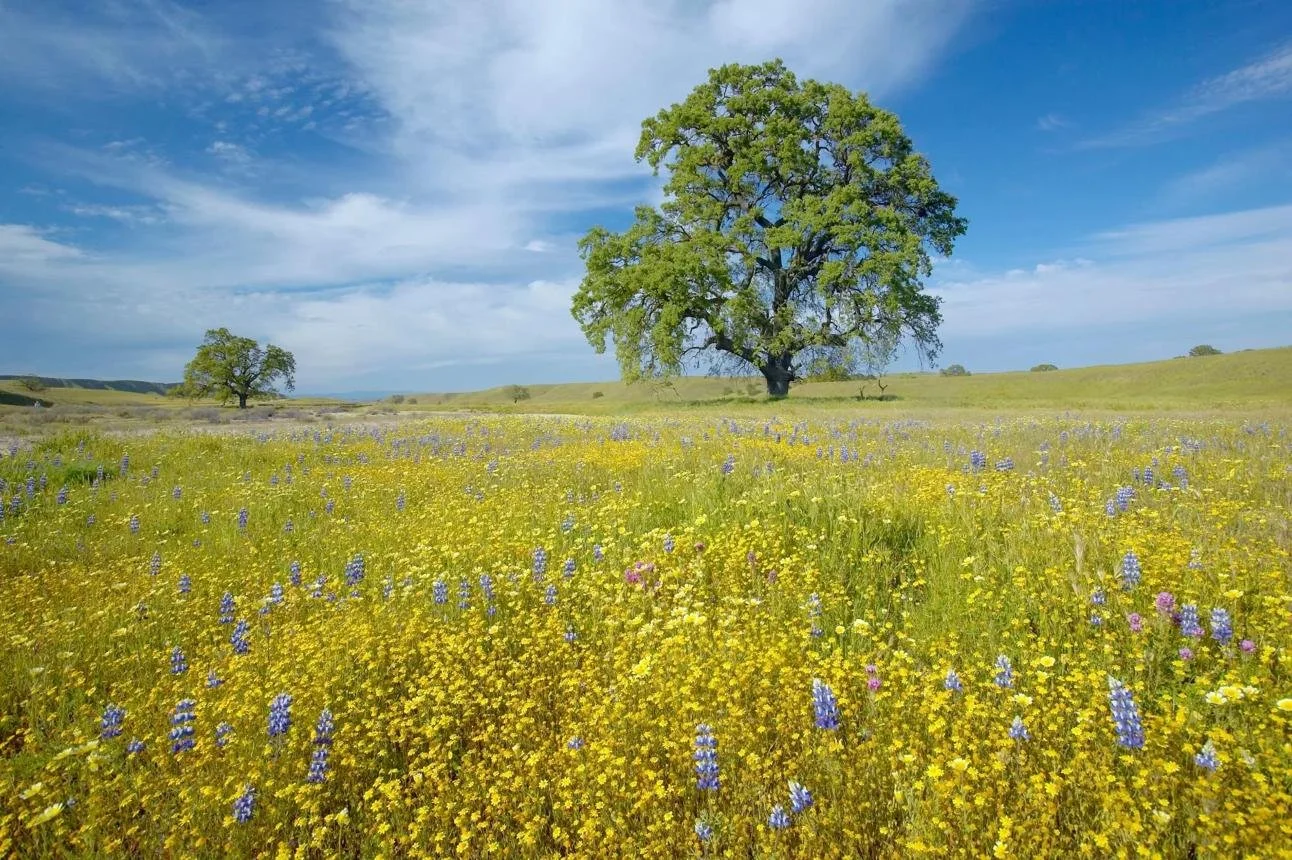
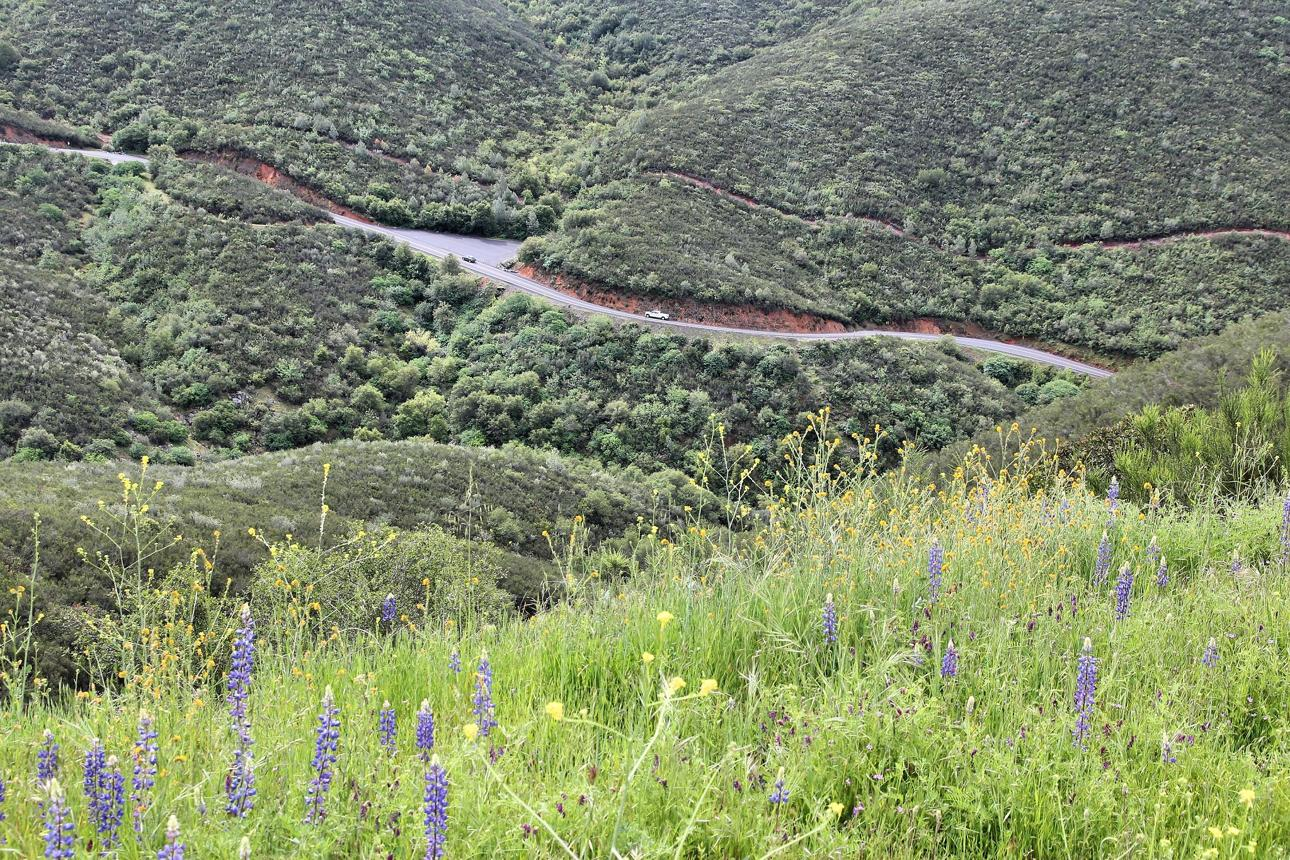
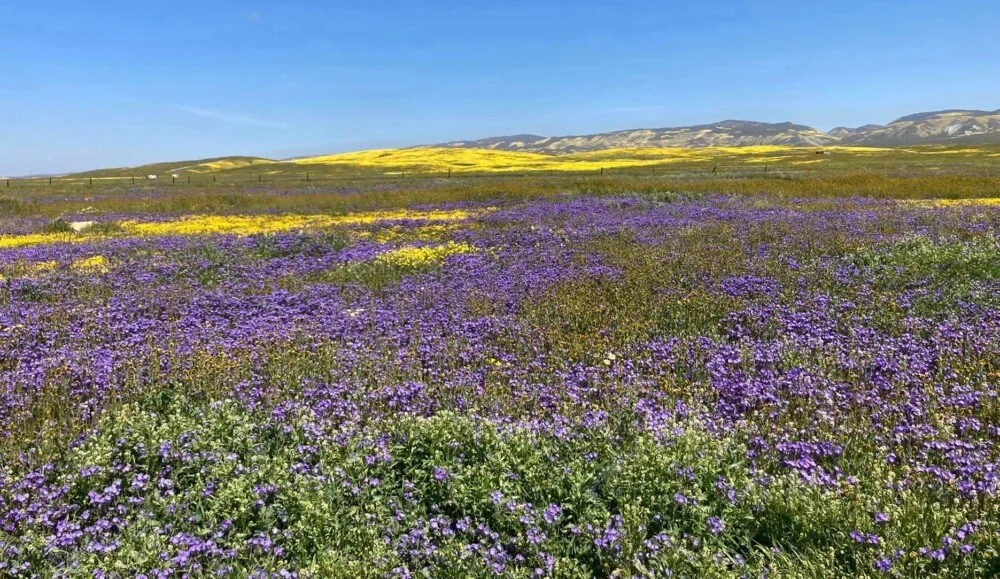
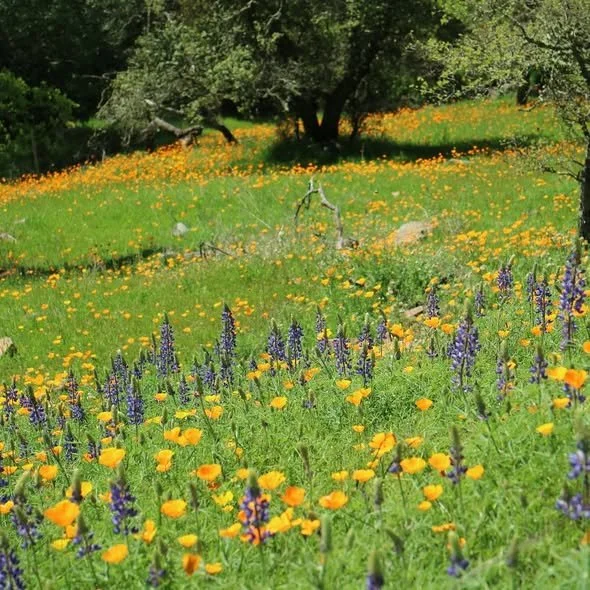
From May through September, the Murphys landscape changes from the bright greens and abundant blossoms of spring to the golden grasses, dry hillsides, oak woodlands, and late-summer wildflowers characteristic of the Sierra Nevada foothills.
Honey bees follow this seasonal progression, traveling among meadows, oak woodlands, chaparral, gardens, vineyards, and creek corridors in search of available nectar and pollen.
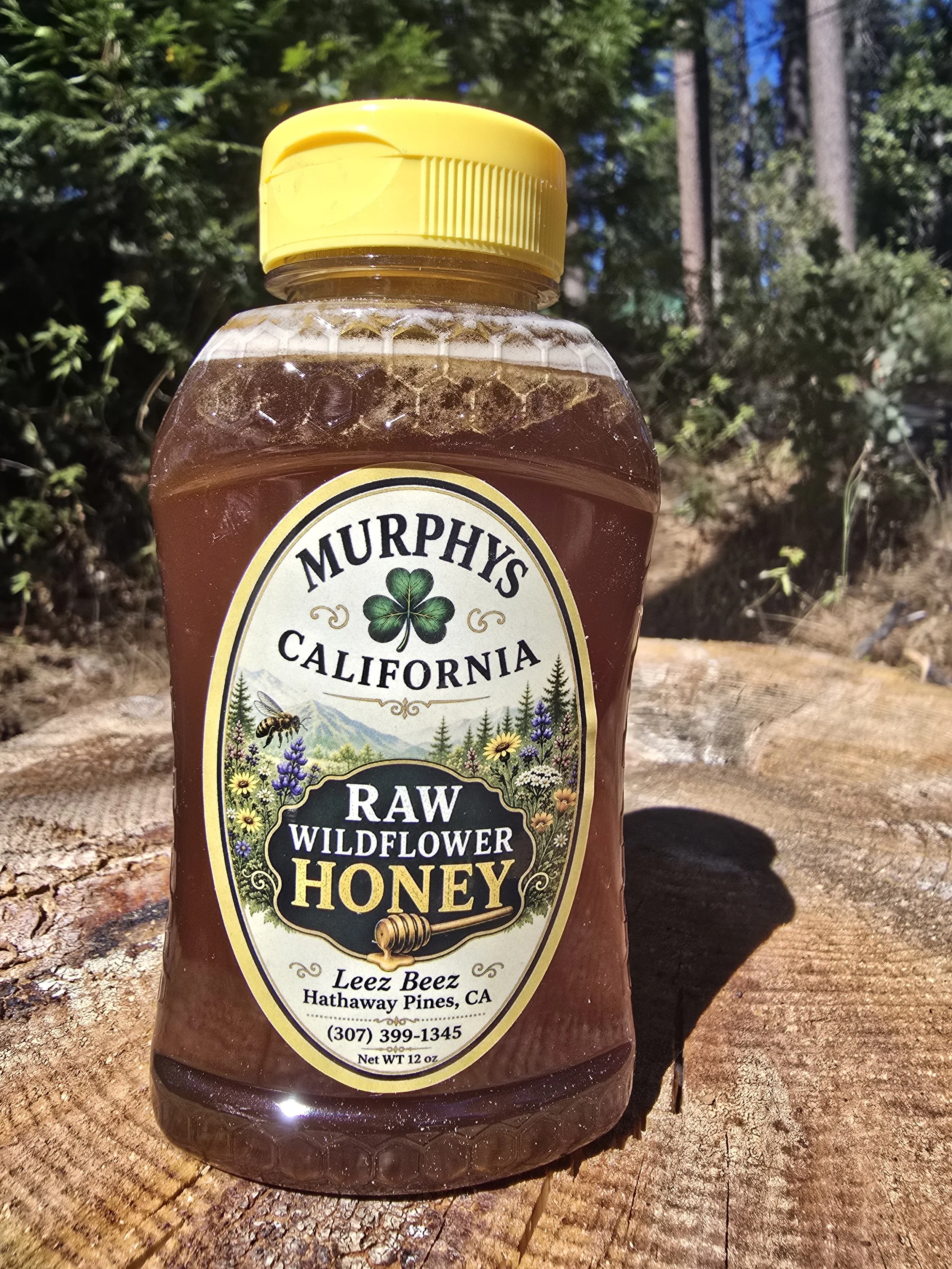
The resulting honey is a natural expression of the Murphys landscape—influenced by the flowers in bloom, seasonal weather, elevation, moisture, and the changing conditions of the foothills.
Nestled in the Sierra Nevada foothills of Calaveras County, Murphys is surrounded by a diverse ecosystem of rolling oak woodlands, chaparral, grasslands, creek corridors, vineyards, gardens, and foothill forests. From May through September, the warming and drying landscape brings a succession of flowering trees, shrubs, wildflowers, and herbs that provide honey bees with important sources of nectar and pollen.
As spring transitions into summer, the abundant early-season blooms give way to plants adapted to the warm, dry foothill climate. Honey bees move through oak woodlands, open grasslands, chaparral, gardens, and riparian areas, following the succession of flowers as different species reach peak bloom.
1. White Sage / California Sage — Native sages provide nectar-rich flowers during the warmer months and are valuable forage plants for bees.
2. California Buckwheat — A particularly important summer and late-season flowering plant, providing nectar as many spring wildflowers have finished blooming.
3. Toyon — This native foothill shrub produces clusters of small white flowers during summer, offering nectar to honey bees and other pollinators.
4. Coffeeberry — A native woodland and chaparral shrub whose flowers provide nectar and pollen during the transition from spring into summer.
5. California Fuchsia — A late-summer bloomer that can provide valuable nectar during August and September when many other plants have finished flowering.
6. Blackberry — Wild and cultivated blackberry can provide abundant flowers during late spring and early summer, making it an important seasonal forage source.
7. Clover — Clover growing in meadows, pastures, grasslands, and irrigated areas can continue flowering into the summer depending on moisture and local conditions.
8. Wild Buckwheat — Several native buckwheat species occur throughout California's foothills. Their long-lasting summer flowers provide nectar and pollen during the dry season.
9. Wild Mint / Yerba Buena and Other Riparian Flowers — Moist areas along creeks and springs can support flowering plants that provide additional forage during the warmer months.
10. Sunflower and Other Summer Wildflowers — Native and naturalized sunflowers and other summer-blooming composites can provide pollen and nectar during the middle and latter portions of the season.
From May through September, the Murphys landscape changes from the bright greens and abundant blossoms of spring to the golden grasses, dry hillsides, oak woodlands, and late-summer wildflowers characteristic of the Sierra Nevada foothills.
Honey bees follow this seasonal progression, traveling among meadows, oak woodlands, chaparral, gardens, vineyards, and creek corridors in search of available nectar and pollen.
The resulting honey is a natural expression of the Murphys landscape—influenced by the flowers in bloom, seasonal weather, elevation, moisture, and the changing conditions of the foothills.
Nestled in the Sierra Nevada foothills of Calaveras County, Murphys is surrounded by a diverse ecosystem of rolling oak woodlands, chaparral, grasslands, creek corridors, vineyards, gardens, and foothill forests. From May through September, the warming and drying landscape brings a succession of flowering trees, shrubs, wildflowers, and herbs that provide honey bees with important sources of nectar and pollen.
As spring transitions into summer, the abundant early-season blooms give way to plants adapted to the warm, dry foothill climate. Honey bees move through oak woodlands, open grasslands, chaparral, gardens, and riparian areas, following the succession of flowers as different species reach peak bloom.
1. White Sage / California Sage — Native sages provide nectar-rich flowers during the warmer months and are valuable forage plants for bees.
2. California Buckwheat — A particularly important summer and late-season flowering plant, providing nectar as many spring wildflowers have finished blooming.
3. Toyon — This native foothill shrub produces clusters of small white flowers during summer, offering nectar to honey bees and other pollinators.
4. Coffeeberry — A native woodland and chaparral shrub whose flowers provide nectar and pollen during the transition from spring into summer.
5. California Fuchsia — A late-summer bloomer that can provide valuable nectar during August and September when many other plants have finished flowering.
6. Blackberry — Wild and cultivated blackberry can provide abundant flowers during late spring and early summer, making it an important seasonal forage source.
7. Clover — Clover growing in meadows, pastures, grasslands, and irrigated areas can continue flowering into the summer depending on moisture and local conditions.
8. Wild Buckwheat — Several native buckwheat species occur throughout California's foothills. Their long-lasting summer flowers provide nectar and pollen during the dry season.
9. Wild Mint / Yerba Buena and Other Riparian Flowers — Moist areas along creeks and springs can support flowering plants that provide additional forage during the warmer months.
10. Sunflower and Other Summer Wildflowers — Native and naturalized sunflowers and other summer-blooming composites can provide pollen and nectar during the middle and latter portions of the season.