 Image 1 of 3
 Image 2 of 3
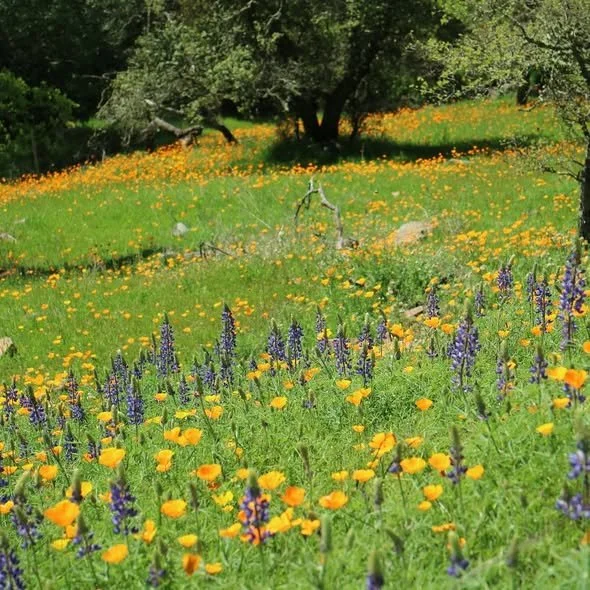 Image 3 of 3
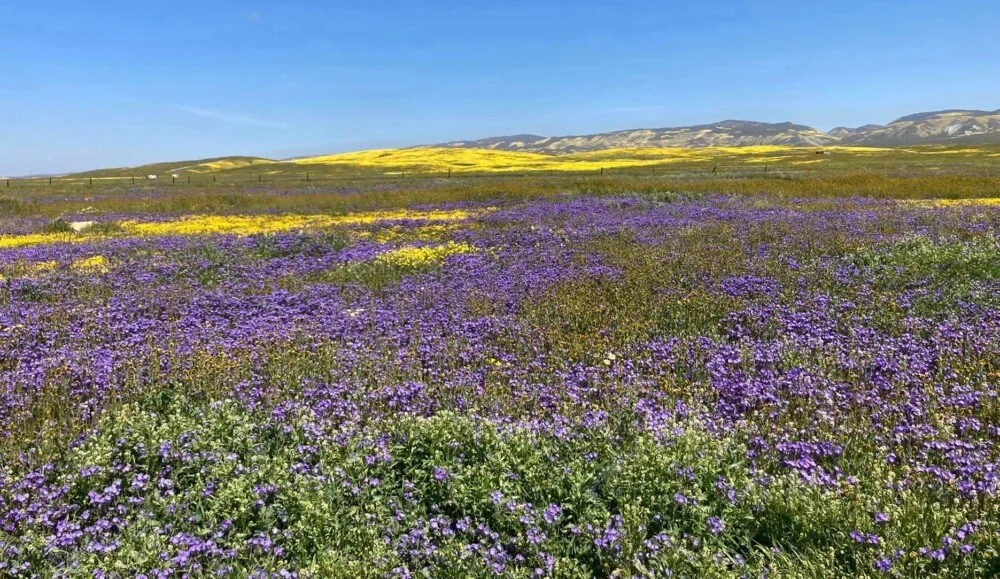
From May through September, honey bees move among the meadows, oak-studded hillsides, chaparral, gardens, creek corridors, and foothill forests surrounding Angels Camp. As one bloom fades, another begins, creating a continually changing source of nectar and pollen.
The character of Angels Camp honey is therefore influenced by the unique combination of flowers blooming around the hives, along with the season's weather, rainfall, temperature, elevation, and local landscape.
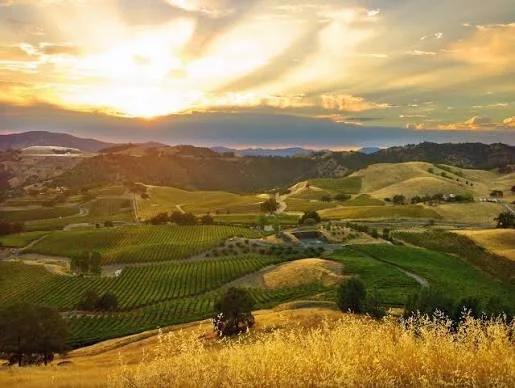
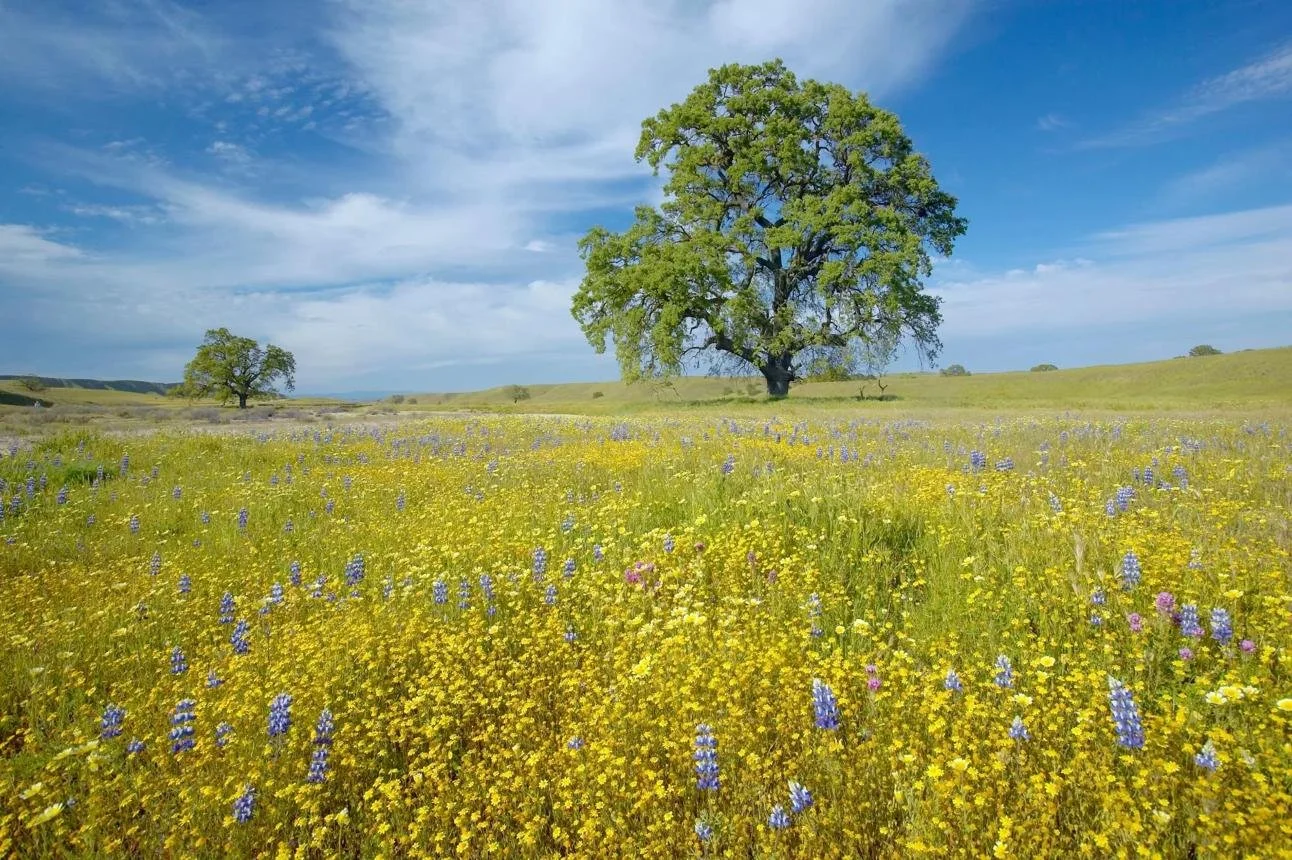
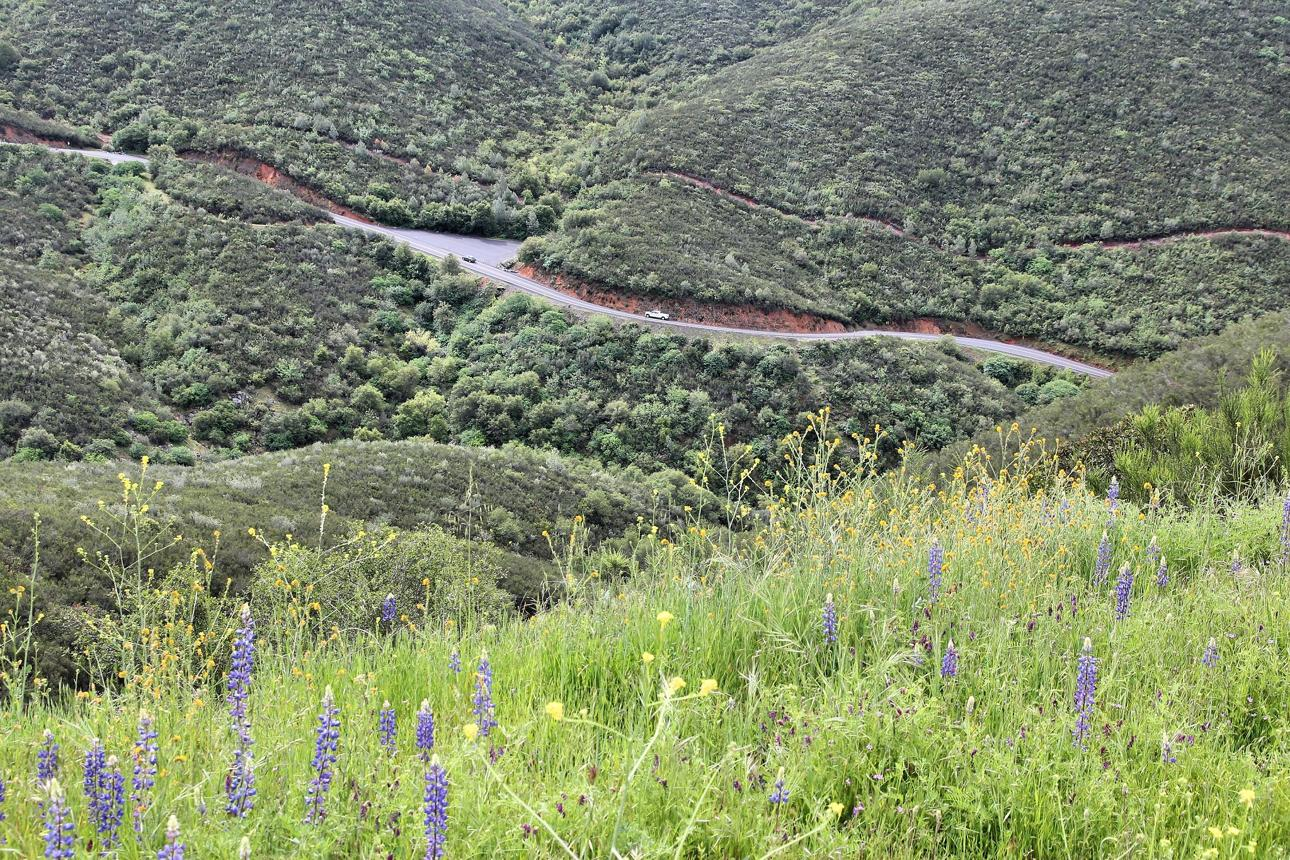
Nestled in the Sierra Nevada foothills of Calaveras County, Angels Camp is surrounded by a diverse ecosystem of rolling grasslands, blue-oak woodlands, chaparral, foothill forests, riparian corridors, and seasonal wildflowers. This rich landscape provides honey bees with a succession of nectar and pollen sources from late winter through fall.
As the seasons change, different native trees, shrubs, and wildflowers come into bloom. Bees may travel across oak-studded hillsides, chaparral, meadows, gardens, and creek corridors, gathering nectar from many different flowers. The resulting honey reflects the character of the foothills—an ever-changing blend shaped by season, weather, elevation, and the plants flowering around the hive.
1. Clover — Found throughout meadows, grasslands, pastures, and open areas, clover can provide abundant nectar and pollen during late spring and summer.
2. California Buckwheat — An important foothill summer flower that provides nectar during the hot, dry months and can continue blooming well into late summer.
3. Toyon — This native evergreen shrub produces clusters of small white flowers during summer, providing an important nectar source for bees and other pollinators.
4. Yarrow — Common in grasslands, meadows, roadsides, and open woodland, yarrow contributes nectar and pollen during the warmer months.
5. California Fuchsia — A valuable late-summer and early-fall nectar source, blooming when many spring wildflowers have already finished.
6. Wild Buckwheat — Native buckwheat species found throughout the foothills provide long-lasting summer blooms and valuable nectar for honey bees.
7. Blackberry — Wild blackberry and related Rubus species can provide abundant flowers during late spring and early summer, offering both nectar and pollen.
8. Sunflower and Native Sunflower Relatives — Summer-blooming sunflowers and other members of the sunflower family can provide substantial pollen and nectar during the warmer months.
9. Native Sage — California's native sages produce nectar-rich flowers and can be important forage plants in foothill and chaparral environments during late spring and summer.
10. Asters and Other Late-Summer Wildflowers — Native asters and related composite flowers help extend the availability of nectar and pollen into late summer and early fall.
From May through September, honey bees move among the meadows, oak-studded hillsides, chaparral, gardens, creek corridors, and foothill forests surrounding Angels Camp. As one bloom fades, another begins, creating a continually changing source of nectar and pollen.
The character of Angels Camp honey is therefore influenced by the unique combination of flowers blooming around the hives, along with the season's weather, rainfall, temperature, elevation, and local landscape.
Nestled in the Sierra Nevada foothills of Calaveras County, Angels Camp is surrounded by a diverse ecosystem of rolling grasslands, blue-oak woodlands, chaparral, foothill forests, riparian corridors, and seasonal wildflowers. This rich landscape provides honey bees with a succession of nectar and pollen sources from late winter through fall.
As the seasons change, different native trees, shrubs, and wildflowers come into bloom. Bees may travel across oak-studded hillsides, chaparral, meadows, gardens, and creek corridors, gathering nectar from many different flowers. The resulting honey reflects the character of the foothills—an ever-changing blend shaped by season, weather, elevation, and the plants flowering around the hive.
1. Clover — Found throughout meadows, grasslands, pastures, and open areas, clover can provide abundant nectar and pollen during late spring and summer.
2. California Buckwheat — An important foothill summer flower that provides nectar during the hot, dry months and can continue blooming well into late summer.
3. Toyon — This native evergreen shrub produces clusters of small white flowers during summer, providing an important nectar source for bees and other pollinators.
4. Yarrow — Common in grasslands, meadows, roadsides, and open woodland, yarrow contributes nectar and pollen during the warmer months.
5. California Fuchsia — A valuable late-summer and early-fall nectar source, blooming when many spring wildflowers have already finished.
6. Wild Buckwheat — Native buckwheat species found throughout the foothills provide long-lasting summer blooms and valuable nectar for honey bees.
7. Blackberry — Wild blackberry and related Rubus species can provide abundant flowers during late spring and early summer, offering both nectar and pollen.
8. Sunflower and Native Sunflower Relatives — Summer-blooming sunflowers and other members of the sunflower family can provide substantial pollen and nectar during the warmer months.
9. Native Sage — California's native sages produce nectar-rich flowers and can be important forage plants in foothill and chaparral environments during late spring and summer.
10. Asters and Other Late-Summer Wildflowers — Native asters and related composite flowers help extend the availability of nectar and pollen into late summer and early fall.