 Image 1 of 3
 Image 2 of 3
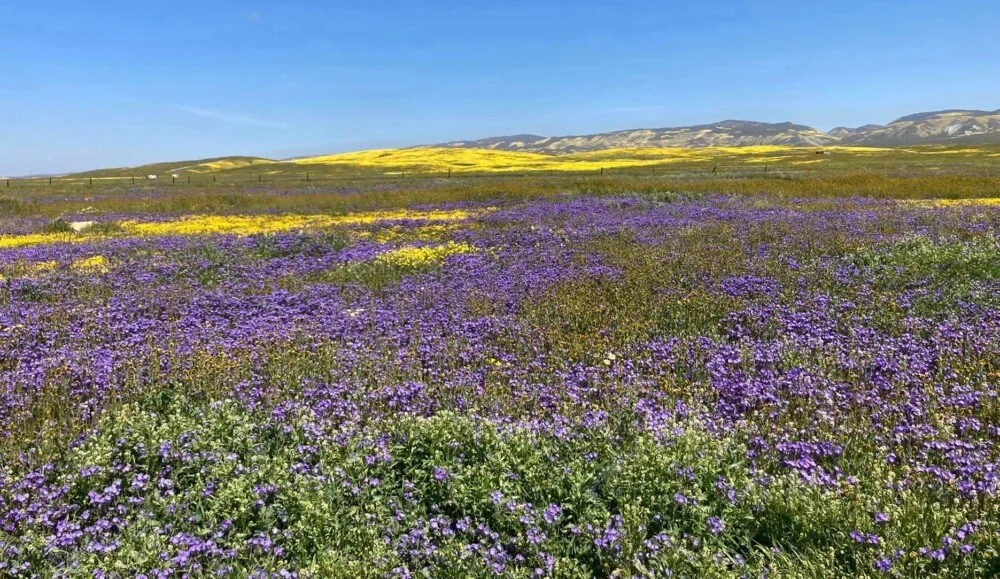 Image 3 of 3
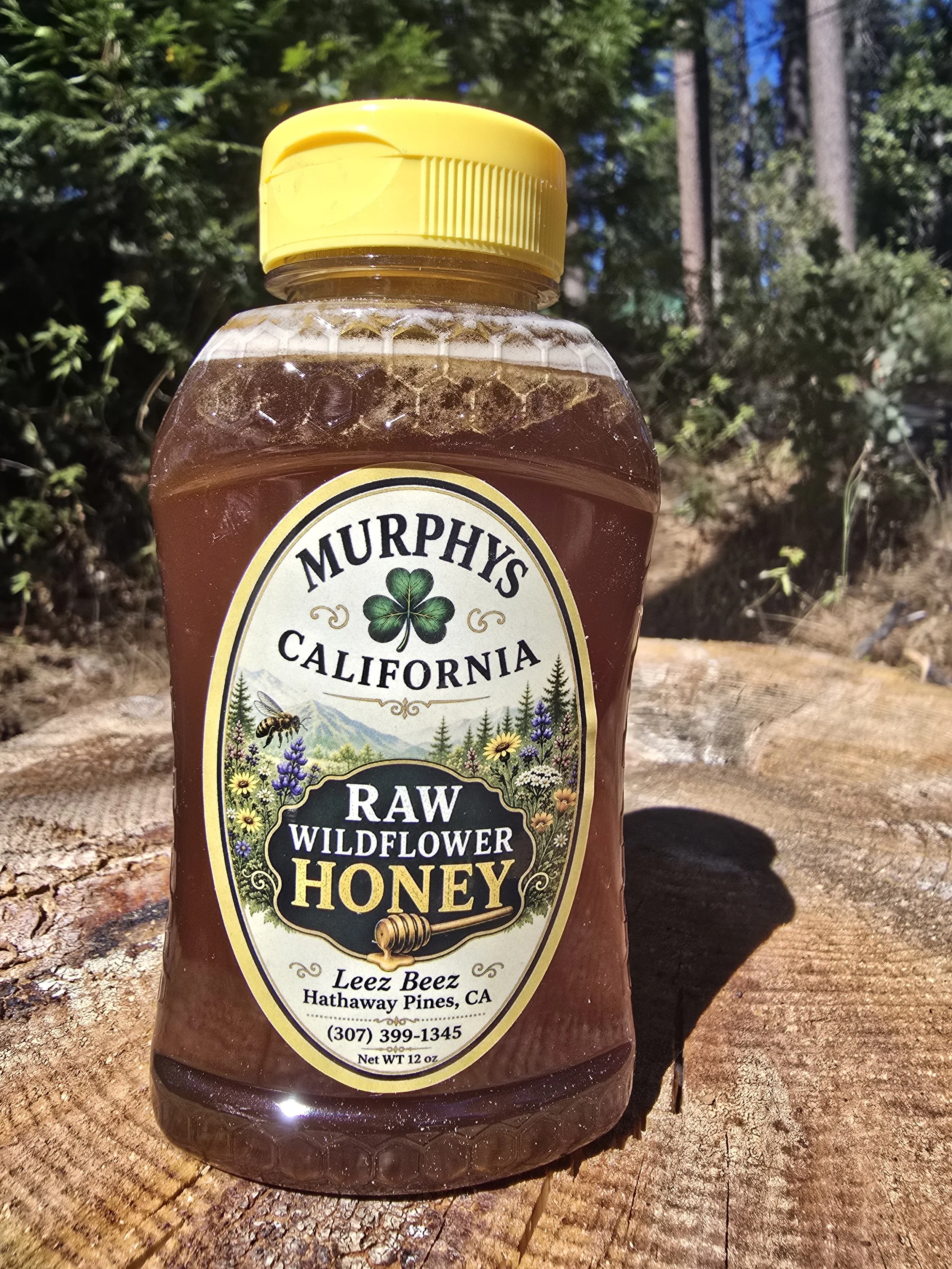
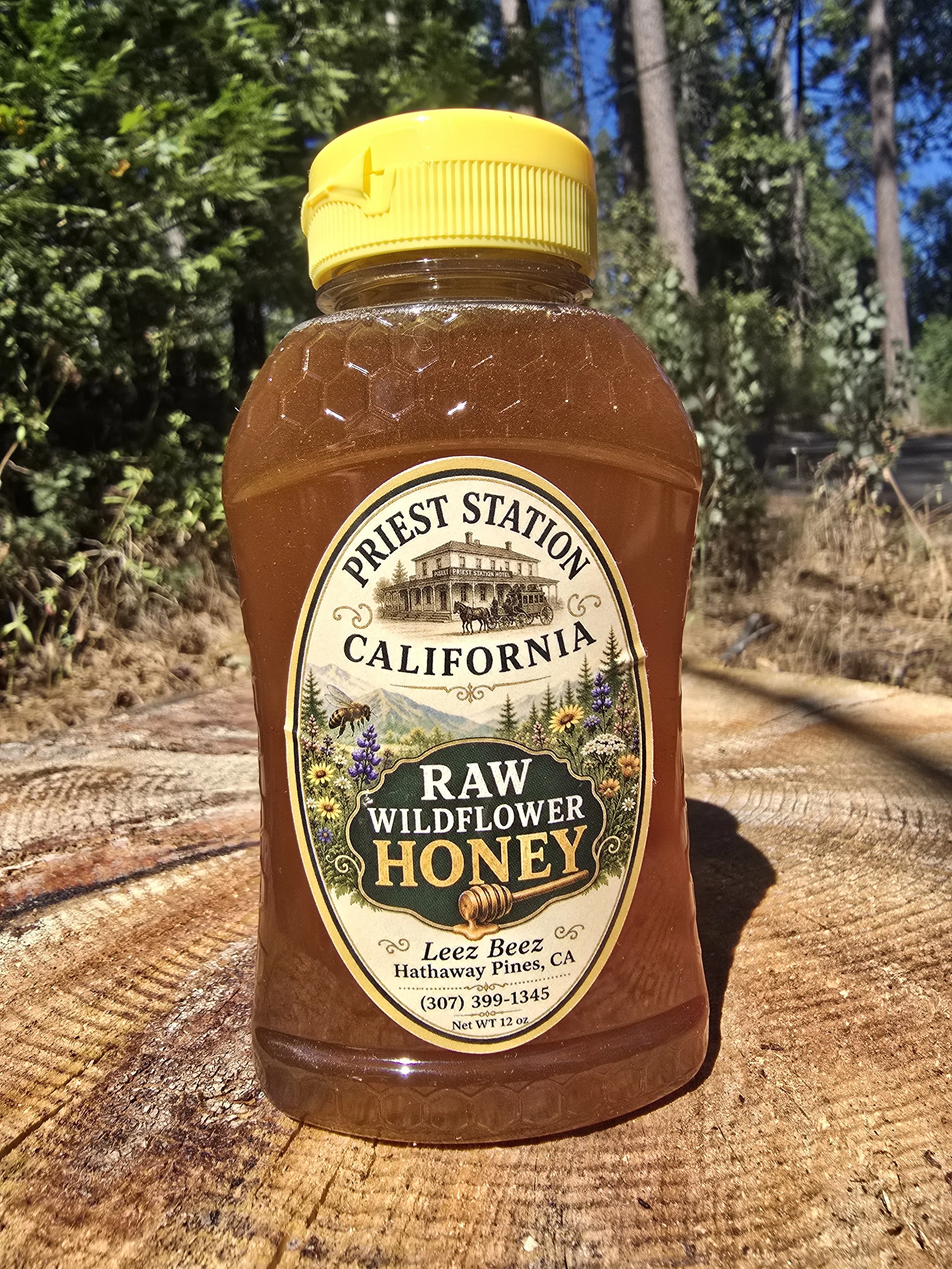
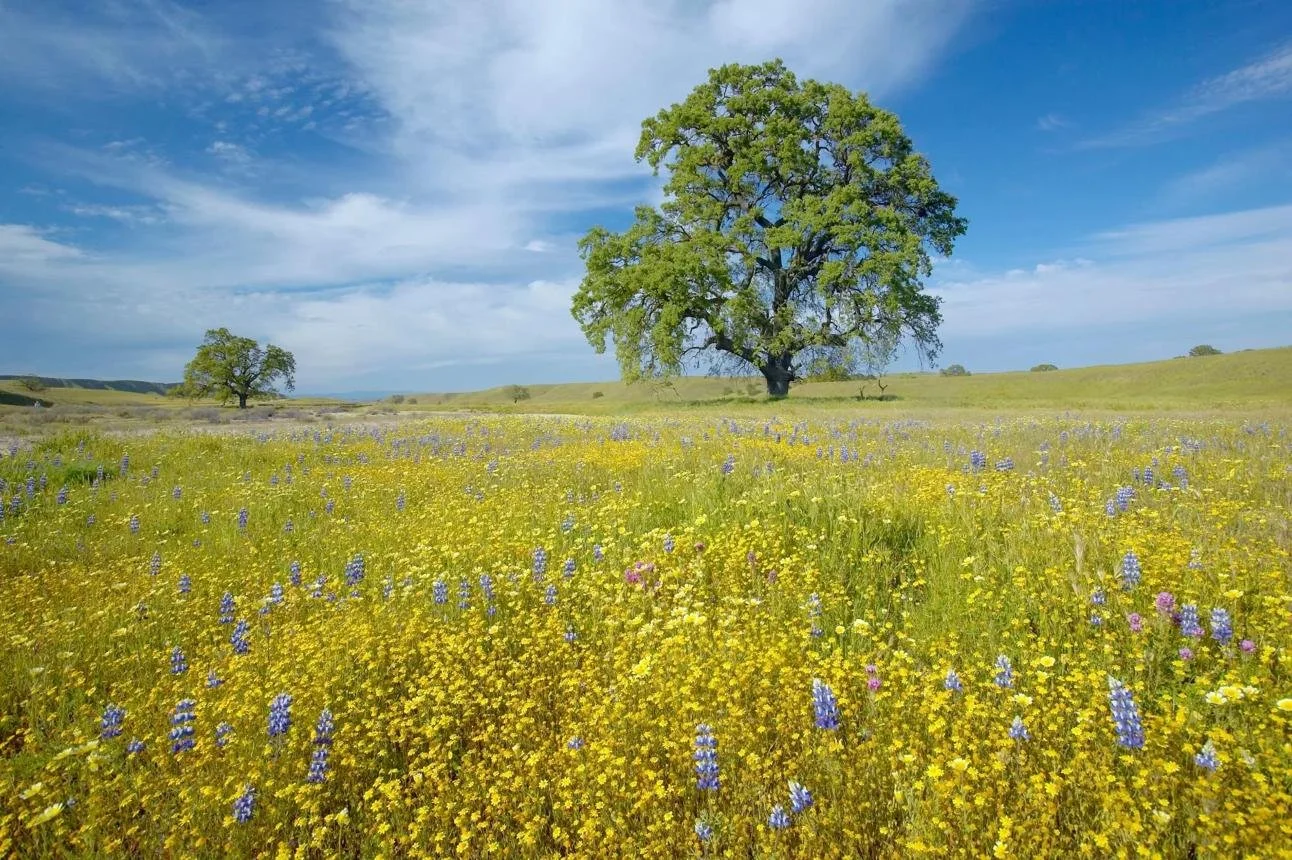
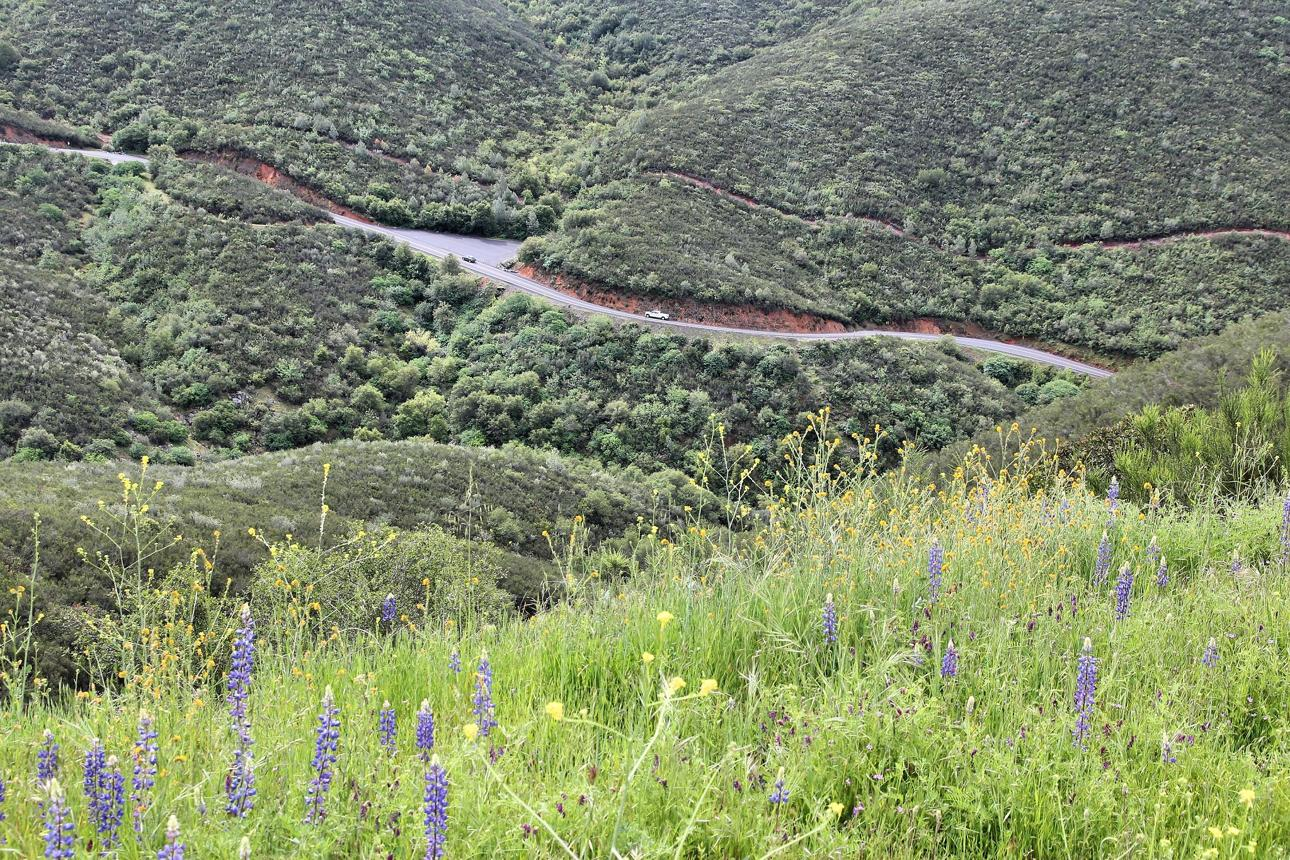
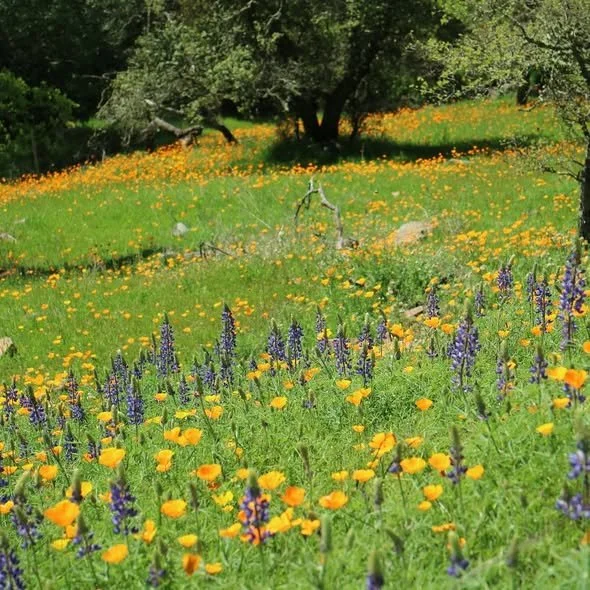
From May through September, honey bees move among the meadows, oak-studded hillsides, chaparral, gardens, and creek corridors surrounding San Andreas. As one bloom fades, another begins, creating a continually changing source of nectar and pollen.
The character of San Andreas honey is therefore influenced by the unique combination of flowers blooming around the hives, along with the season's weather, rainfall, temperature, elevation, moisture, and local landscape.
The result is a natural expression of the Central Sierra foothills—a honey shaped by native plants, grasslands, oak woodlands, chaparral, summer wildflowers, and the changing seasons of Calaveras County.
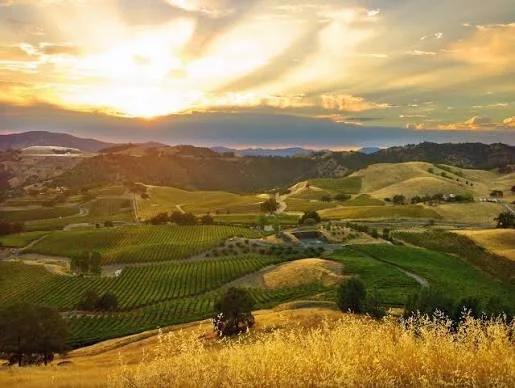
From May through September, the San Andreas foothills transition from spring wildflowers into the warm, dry landscape of golden grasslands, oak woodlands, chaparral, gardens, and riparian corridors. This diverse ecosystem provides honey bees with a changing selection of nectar and pollen sources throughout the warmer months.
San Andreas is situated within the Central Sierra foothill ecosystem, where blue-oak and interior-oak woodlands intermingle with grasslands, shrubs, seasonal streams, and other foothill plant communities. Blue-oak woodland is particularly characteristic of the western Sierra foothills, often occurring in a mosaic with grasslands, chaparral, riparian forests, and other oak woodlands.
As spring gives way to summer, the floral landscape changes. Late-spring flowers give way to clover, blackberry, sage, yarrow, wild buckwheat, toyon, and other summer-blooming plants. By late summer, California buckwheat, California fuchsia, and other late-season flowers can help extend forage for honey bees. UC guidance for Calaveras County emphasizes the importance of a diversity of plants with different bloom periods for maintaining bee forage.
1. California Buckwheat — One of the most important warm-season forage plants, producing abundant flowers through summer and into the late season. Buckwheats are particularly attractive to bees and other pollinators.
2. Clover — Found in meadows, grasslands, pastures, and open areas, clover can provide substantial nectar and pollen during late spring and summer.
3. Wild Sage — Native sage species provide nectar-rich flowers during the warmer months and are important forage plants in foothill and chaparral environments.
4. Toyon — This native evergreen shrub produces clusters of small white flowers during summer, providing nectar for honey bees and other pollinators.
5. Coffeeberry — A native foothill shrub found in woodland and chaparral communities. Its flowers provide forage for bees and are specifically identified by Calaveras County Master Gardeners as a bee-friendly local plant.
6. Blackberry — Wild blackberry and related Rubus species can provide abundant flowers during late spring and early summer, contributing both nectar and pollen.
7. Yarrow — A widespread meadow and grassland flower that can bloom from late spring into summer and provides both nectar and pollen for bees.
8. California Thistle — A summer-flowering native thistle that can provide nectar and pollen for bees and other pollinators. Pollinator references place its flowering period from spring into midsummer.
9. California Fuchsia — A late-summer flowering native that helps provide nectar when many earlier-season flowers have finished blooming. California fuchsia is among the bee-friendly native plants identified for Calaveras County.
10. Summer Wildflowers & Sunflowers — A variety of summer-blooming wildflowers, including sunflower relatives and other composite flowers, can provide additional nectar and pollen during the warmest months. Local Calaveras County gardening resources document sunflowers blooming during summer.
From May through September, honey bees move among the meadows, oak-studded hillsides, chaparral, gardens, and creek corridors surrounding San Andreas. As one bloom fades, another begins, creating a continually changing source of nectar and pollen.
The character of San Andreas honey is therefore influenced by the unique combination of flowers blooming around the hives, along with the season's weather, rainfall, temperature, elevation, moisture, and local landscape.
The result is a natural expression of the Central Sierra foothills—a honey shaped by native plants, grasslands, oak woodlands, chaparral, summer wildflowers, and the changing seasons of Calaveras County.
From May through September, the San Andreas foothills transition from spring wildflowers into the warm, dry landscape of golden grasslands, oak woodlands, chaparral, gardens, and riparian corridors. This diverse ecosystem provides honey bees with a changing selection of nectar and pollen sources throughout the warmer months.
San Andreas is situated within the Central Sierra foothill ecosystem, where blue-oak and interior-oak woodlands intermingle with grasslands, shrubs, seasonal streams, and other foothill plant communities. Blue-oak woodland is particularly characteristic of the western Sierra foothills, often occurring in a mosaic with grasslands, chaparral, riparian forests, and other oak woodlands.
As spring gives way to summer, the floral landscape changes. Late-spring flowers give way to clover, blackberry, sage, yarrow, wild buckwheat, toyon, and other summer-blooming plants. By late summer, California buckwheat, California fuchsia, and other late-season flowers can help extend forage for honey bees. UC guidance for Calaveras County emphasizes the importance of a diversity of plants with different bloom periods for maintaining bee forage.
1. California Buckwheat — One of the most important warm-season forage plants, producing abundant flowers through summer and into the late season. Buckwheats are particularly attractive to bees and other pollinators.
2. Clover — Found in meadows, grasslands, pastures, and open areas, clover can provide substantial nectar and pollen during late spring and summer.
3. Wild Sage — Native sage species provide nectar-rich flowers during the warmer months and are important forage plants in foothill and chaparral environments.
4. Toyon — This native evergreen shrub produces clusters of small white flowers during summer, providing nectar for honey bees and other pollinators.
5. Coffeeberry — A native foothill shrub found in woodland and chaparral communities. Its flowers provide forage for bees and are specifically identified by Calaveras County Master Gardeners as a bee-friendly local plant.
6. Blackberry — Wild blackberry and related Rubus species can provide abundant flowers during late spring and early summer, contributing both nectar and pollen.
7. Yarrow — A widespread meadow and grassland flower that can bloom from late spring into summer and provides both nectar and pollen for bees.
8. California Thistle — A summer-flowering native thistle that can provide nectar and pollen for bees and other pollinators. Pollinator references place its flowering period from spring into midsummer.
9. California Fuchsia — A late-summer flowering native that helps provide nectar when many earlier-season flowers have finished blooming. California fuchsia is among the bee-friendly native plants identified for Calaveras County.
10. Summer Wildflowers & Sunflowers — A variety of summer-blooming wildflowers, including sunflower relatives and other composite flowers, can provide additional nectar and pollen during the warmest months. Local Calaveras County gardening resources document sunflowers blooming during summer.