 Image 1 of 4
 Image 2 of 4
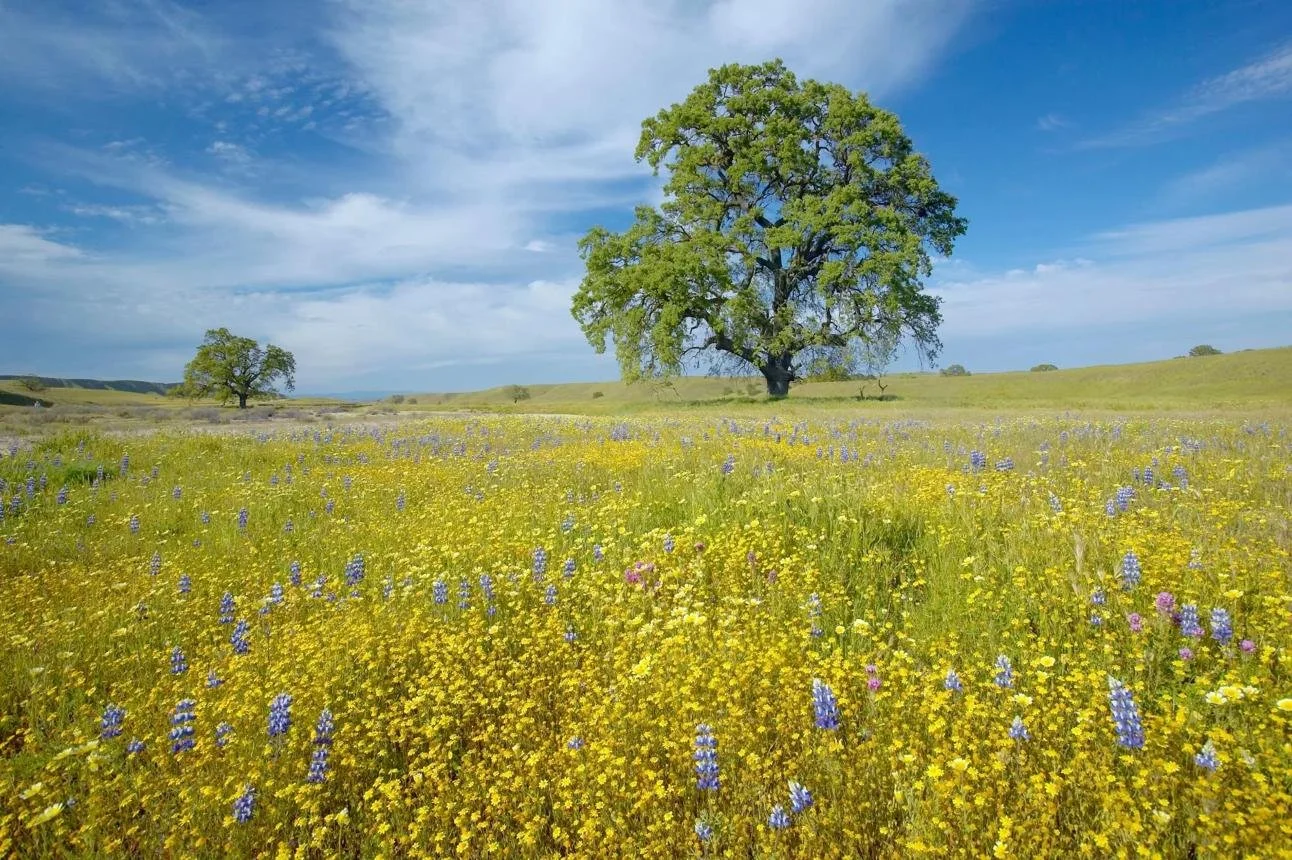 Image 3 of 4
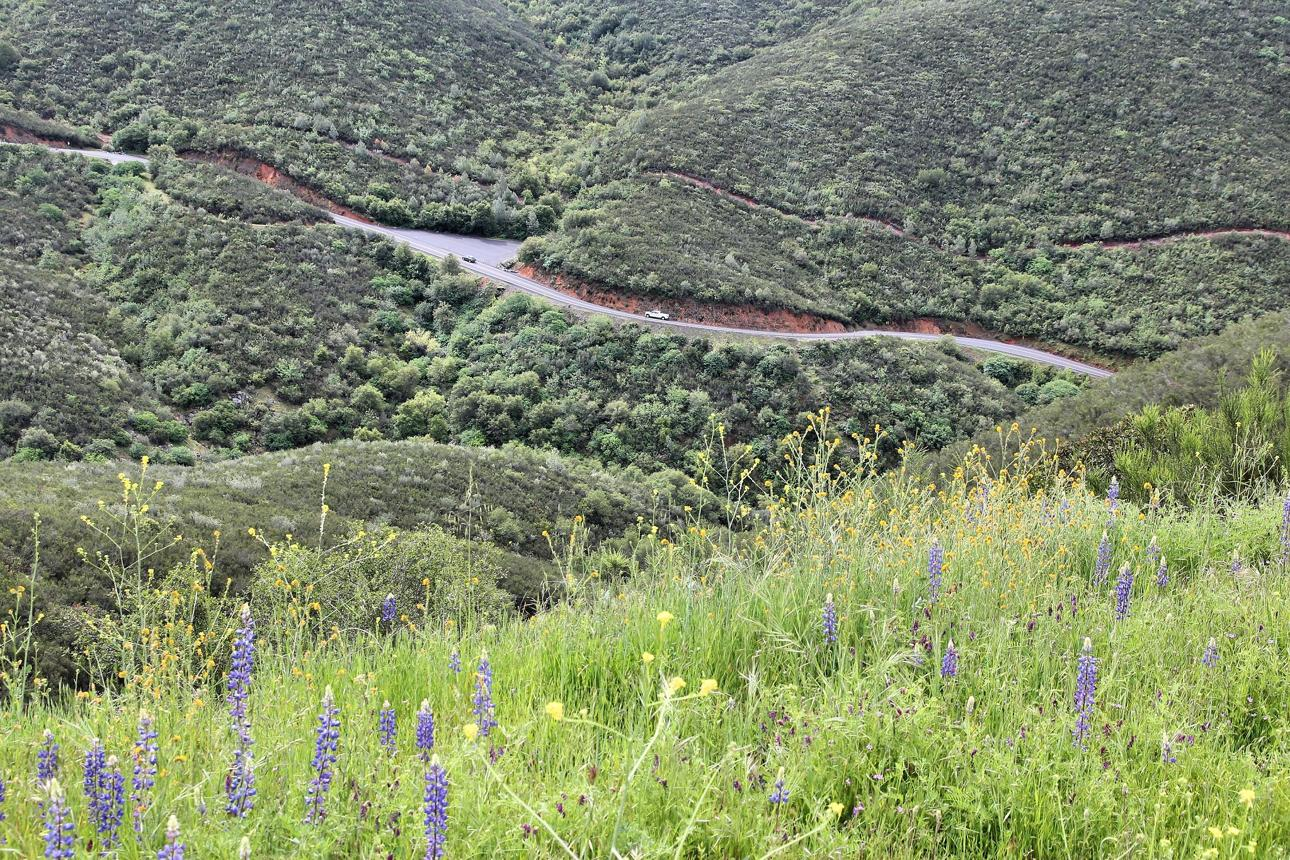 Image 4 of 4
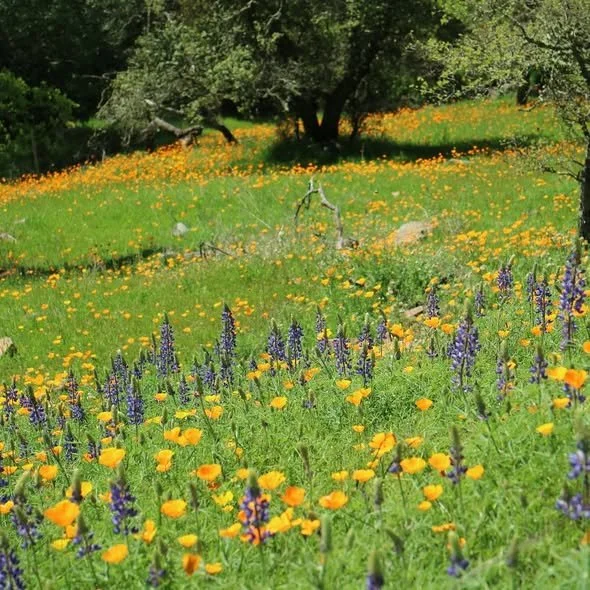
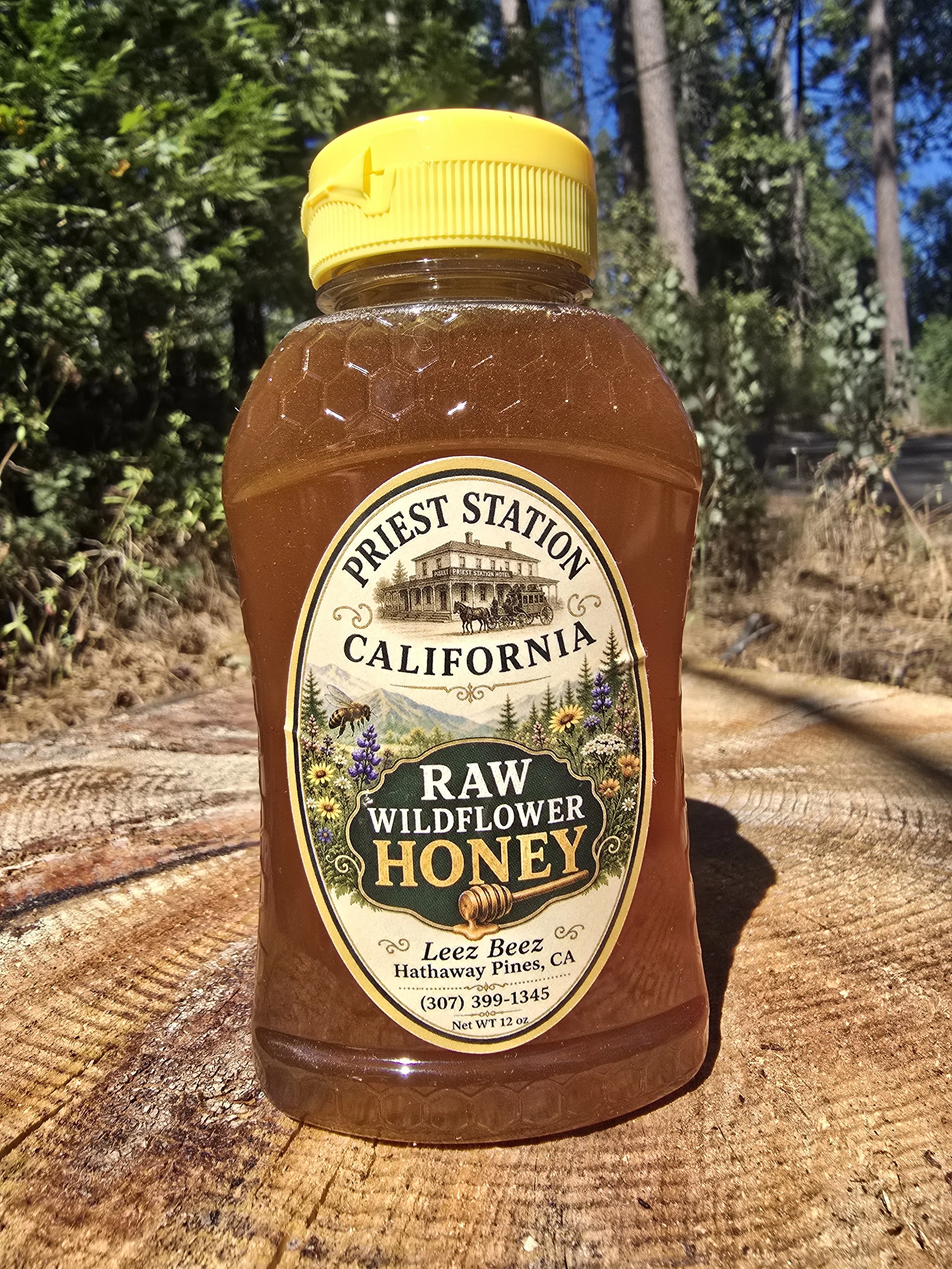
From May through September, honey bees move among the oak woodlands, chaparral, meadows, creek corridors, and mixed-conifer forests surrounding Priest Station. As one bloom fades, another begins, creating a continually changing source of nectar and pollen.
The character of Priest Station honey is therefore influenced by the unique combination of flowers blooming around the hives, along with the season's weather, rainfall, temperature, elevation, and local landscape.
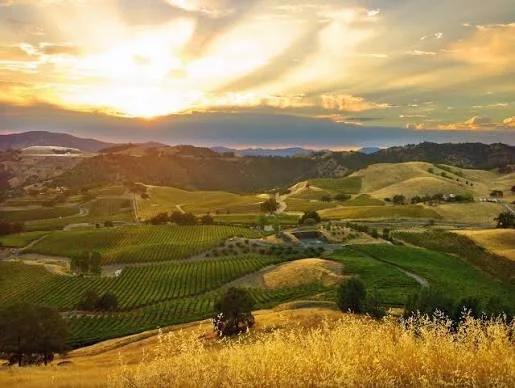
Located along the Highway 120 corridor in the Sierra Nevada of Tuolumne County, Priest Station lies within a transition of foothill chaparral, oak woodland, and mixed-conifer forest. The surrounding landscape includes California black oak, interior and canyon live oak, foothill pine, ponderosa pine, incense cedar, manzanita, toyon, and chaparral shrubs.
From late spring through summer, different native shrubs, herbs, and wildflowers come into bloom. Bees may travel across forest openings, oak-studded slopes, chaparral, meadows, roadsides, and creek corridors, gathering nectar and pollen from many different flowers. The resulting honey reflects the character of the Sierra landscape—an ever-changing blend shaped by season, weather, elevation, and the plants flowering around the hive.
1. Deerbrush / Ceanothus — A foothill and chaparral shrub that flowers in late spring and early summer, providing nectar for bees as the landscape transitions from spring into summer.
2. Clarkia — Native farewell-to-spring wildflowers that can bloom from May into summer in open woodland and lower montane forest, adding nectar and pollen during the early part of the May–September period.
3. Yarrow — A widespread meadow, grassland, and open-woodland flower that contributes nectar and pollen through the warmer months.
4. Deerweed — A drought-adapted native shrub of open foothill habitats whose summer flowers provide an additional source of nectar for pollinators.
5. California Buckwheat — An important summer flowering plant that provides nectar during the hot, dry season and can continue flowering well into late summer.
6. Fireweed — A mid- to late-season flowering plant of moist areas, forest openings, and disturbed sites that helps maintain forage as summer progresses.
7. California Goldenrod — A late-season flowering plant that provides pollen and nectar as many earlier summer flowers begin to fade.
8. Gumplant — A late-summer flowering native with yellow composite blooms that can provide substantial pollen and nectar for bees.
9. Rabbitbrush — A late-summer and early-fall flowering shrub that helps extend bee forage when the foothill landscape is becoming increasingly dry.
10. California Fuchsia — A late-summer and early-fall bloomer that provides an important late-season nectar source when many spring wildflowers have finished.
From May through September, honey bees move among the oak woodlands, chaparral, meadows, creek corridors, and mixed-conifer forests surrounding Priest Station. As one bloom fades, another begins, creating a continually changing source of nectar and pollen.
The character of Priest Station honey is therefore influenced by the unique combination of flowers blooming around the hives, along with the season's weather, rainfall, temperature, elevation, and local landscape.
Located along the Highway 120 corridor in the Sierra Nevada of Tuolumne County, Priest Station lies within a transition of foothill chaparral, oak woodland, and mixed-conifer forest. The surrounding landscape includes California black oak, interior and canyon live oak, foothill pine, ponderosa pine, incense cedar, manzanita, toyon, and chaparral shrubs.
From late spring through summer, different native shrubs, herbs, and wildflowers come into bloom. Bees may travel across forest openings, oak-studded slopes, chaparral, meadows, roadsides, and creek corridors, gathering nectar and pollen from many different flowers. The resulting honey reflects the character of the Sierra landscape—an ever-changing blend shaped by season, weather, elevation, and the plants flowering around the hive.
1. Deerbrush / Ceanothus — A foothill and chaparral shrub that flowers in late spring and early summer, providing nectar for bees as the landscape transitions from spring into summer.
2. Clarkia — Native farewell-to-spring wildflowers that can bloom from May into summer in open woodland and lower montane forest, adding nectar and pollen during the early part of the May–September period.
3. Yarrow — A widespread meadow, grassland, and open-woodland flower that contributes nectar and pollen through the warmer months.
4. Deerweed — A drought-adapted native shrub of open foothill habitats whose summer flowers provide an additional source of nectar for pollinators.
5. California Buckwheat — An important summer flowering plant that provides nectar during the hot, dry season and can continue flowering well into late summer.
6. Fireweed — A mid- to late-season flowering plant of moist areas, forest openings, and disturbed sites that helps maintain forage as summer progresses.
7. California Goldenrod — A late-season flowering plant that provides pollen and nectar as many earlier summer flowers begin to fade.
8. Gumplant — A late-summer flowering native with yellow composite blooms that can provide substantial pollen and nectar for bees.
9. Rabbitbrush — A late-summer and early-fall flowering shrub that helps extend bee forage when the foothill landscape is becoming increasingly dry.
10. California Fuchsia — A late-summer and early-fall bloomer that provides an important late-season nectar source when many spring wildflowers have finished.